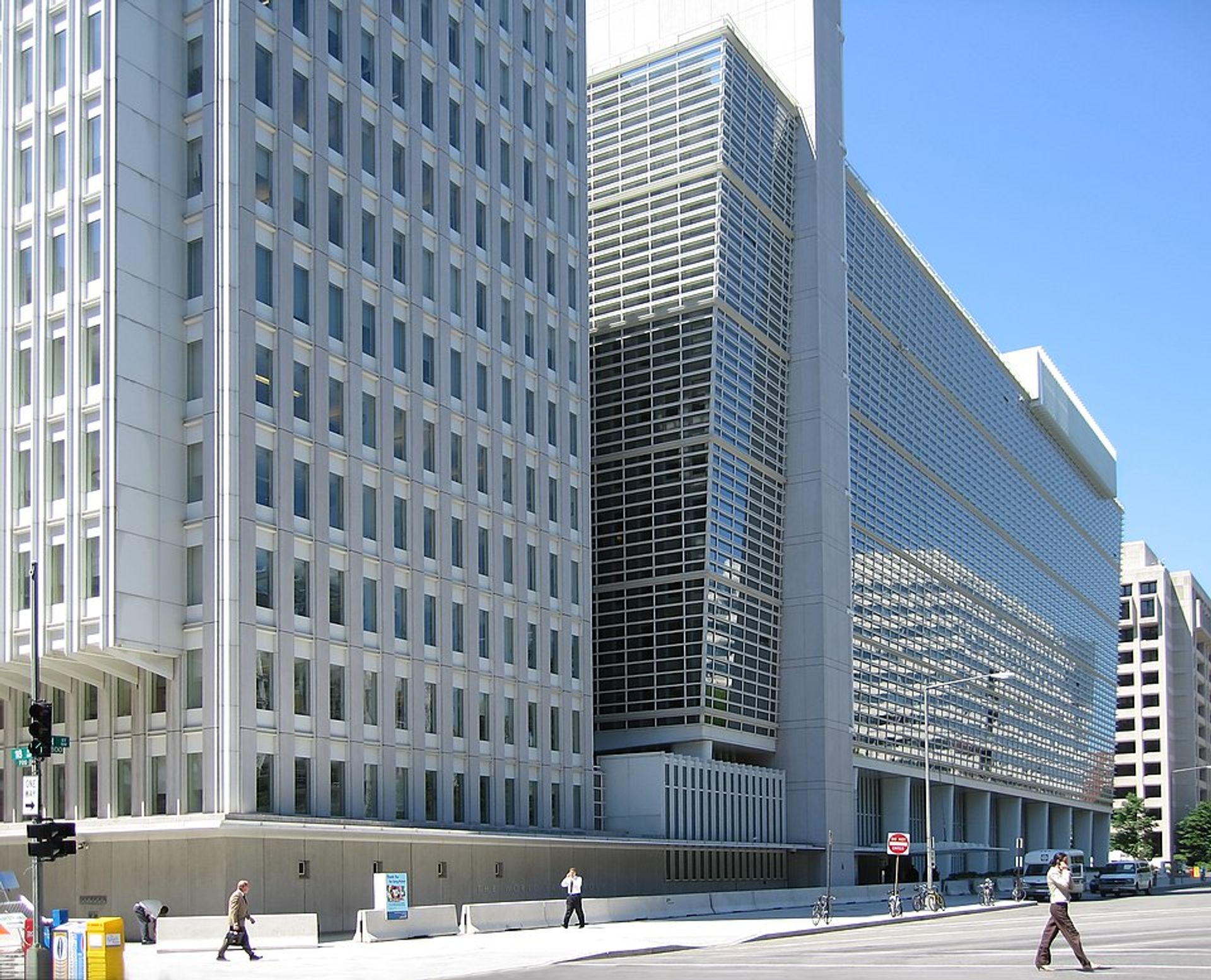
World Bank
What do people say about World Bank?
In Denmark, the World Bank is frequently criticized for its role in imposing Western economic models on developing nations, leading to accusations of neocolonialism. Many perceive the institution as prioritizing financial returns over genuine poverty alleviation, creating skepticism about its effectiveness. The narrative suggests that instead of fostering sustainable growth, the World Bank's interventions often leave countries in a cycle of debt and dependency. This raises questions about its legitimacy and adaptability to local contexts, fueling a growing call for alternative funding mechanisms that respect local governance and autonomy.
Where are the conversations happening?
Critical discussions about the World Bank in Denmark primarily emerge from academic sources and grassroots movements that advocate for more ethical and locally-driven forms of development. These sources often highlight case studies of failed interventions by the World Bank in various countries. The Danish media also plays a role in shaping public opinion, with many articles questioning the accountability and transparency of the World Bank's operations.
What are the topics trending around World Bank?
The discourse around sustainable development, ethical lending practices, and the push for local empowerment in economic policies is gaining traction in Denmark, reflecting a shift in how international aid should be structured.
Why are these topics trending?
This trend is driven by a growing awareness of the inadequacies of traditional financial institutions like the World Bank, as well as a desire for development strategies that prioritize human rights, social justice, and environmental sustainability.
How is World Bank being talked about?
Detailed breakdown of public sentiment and conversations about this entity.
Impact vs Sentiment
See how each entity's high impact percentage relates to their positive sentiment percentage from actual mentions.