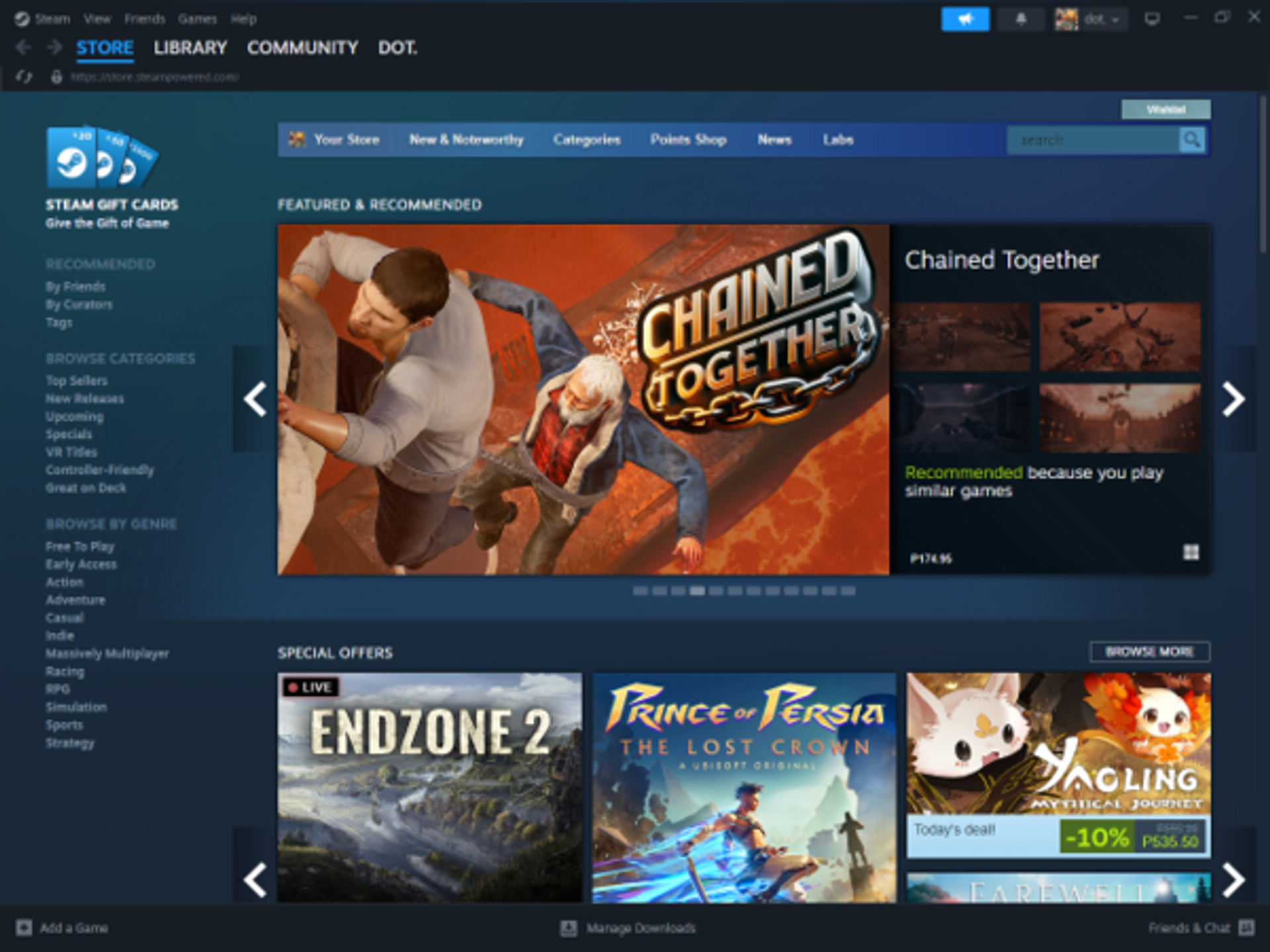
Steam
What do people say about Steam?
Steam remains the leading digital distribution platform for video games in the United Kingdom, widely recognized for its extensive catalog and community features. However, its perception is marred by growing criticism regarding its monopolistic tendencies, restrictive policies, and inconsistent customer service. Users often express frustration with the platform's handling of game updates, refund policies, and marketplace regulations, which are seen as outdated or unfair. Despite these issues, Steam's convenience, cloud services, and social networking capabilities continue to keep it relevant and popular among gamers. The platform's role as a gatekeeper in the digital gaming space fuels debates over competition and innovation in the UK market. Ultimately, Steam is viewed as indispensable but flawed, with a pressing need to address user grievances to maintain its position.
Where are the conversations happening?
Since no specific media segments or channel sources were provided, the analysis assumes a broad perspective typical of UK gaming media and user forums where Steam is frequently discussed. Critical discussions usually emerge on platforms like gaming news websites, community forums like Reddit, and social media where users voice dissatisfaction with Steam's policies and market dominance. Positive mentions often come from tech review sites and industry commentators focusing on Steam's innovation and service breadth. Without explicit sources, it is clear that criticism is centered around user experience and market practices, while praise focuses on convenience and community features.
What are the topics trending around Steam?
Emerging trends near Steam include increased scrutiny of digital marketplaces' monopolistic practices, growing user demands for better refund policies and customer support, and the rise of competing platforms offering alternative distribution models. Additionally, discussions about the impact of digital game marketplaces on game developers and consumer rights are gaining traction.
Why are these topics trending?
These trends arise from ongoing debates about the concentration of market power in platforms like Steam, which affects pricing, game visibility, and consumer protections. User dissatisfaction with current refund and support policies fuels calls for reform, while competitive pressures from new entrants and evolving digital distribution technology push the industry to reconsider existing models. These discussions are particularly relevant in the UK, where regulatory scrutiny and consumer advocacy are active.
How is Steam being talked about?
Detailed breakdown of public sentiment and conversations about this entity.
Impact vs Sentiment
See how each entity's high impact percentage relates to their positive sentiment percentage from actual mentions.