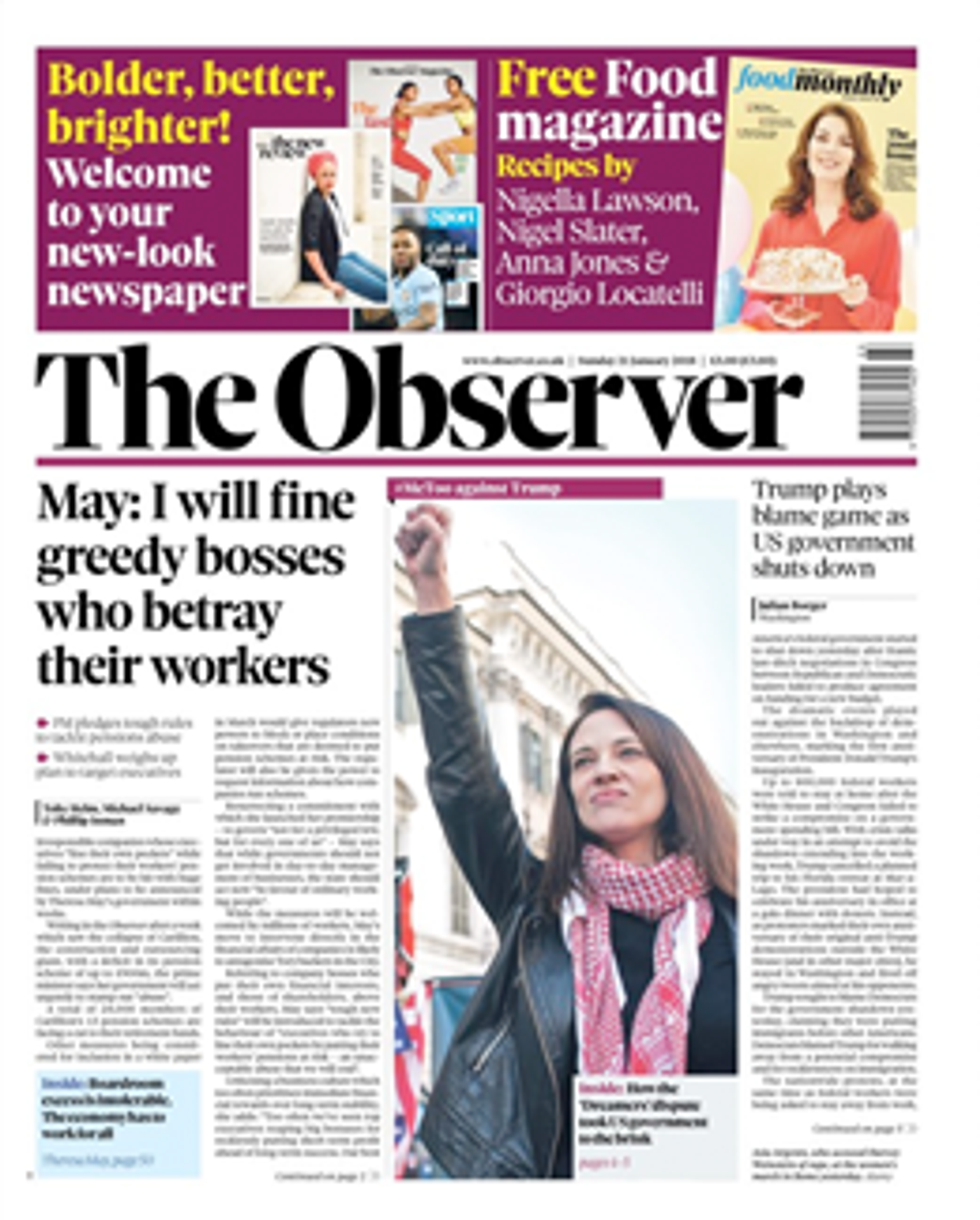
The Observer
What do people say about The Observer?
The Observer, once a respected British weekly newspaper, is now perceived as struggling to maintain its relevance in an increasingly digital and fast-paced news environment. Critics argue that its traditional approach to journalism fails to resonate with younger audiences who prefer more immediate and interactive news formats. While it retains a degree of historical prestige as the world's oldest Sunday newspaper, this legacy does little to combat the perception of stagnation and a lack of innovation. The Observer's ability to attract a loyal readership is in jeopardy, as it grapples with the challenges of competing against more agile and contemporary news outlets.
Where are the conversations happening?
The analysis of The Observer's perception reveals a divide across media sources. While some still recognize its historical importance, many critiques focus on its inability to adapt to modern journalism trends. Sources like The Guardian and independent media analysts often highlight its struggles with attracting younger readers, pointing out its outdated approaches compared to more contemporary news platforms. The most critical discussions often arise in forums and social media, where the rapid evolution of news consumption is discussed, painting The Observer as a relic of a bygone era.
What are the topics trending around The Observer?
Discussions surrounding media evolution, the decline of print journalism, and the impact of digital news consumption are increasingly relevant to The Observer.
Why are these topics trending?
These trending topics highlight the broader challenges faced by traditional media outlets like The Observer, emphasizing the urgency for adaptation and innovation to survive in the current media landscape.
How is The Observer being talked about?
Detailed breakdown of public sentiment and conversations about this entity.
Impact vs Sentiment
See how each entity's high impact percentage relates to their positive sentiment percentage from actual mentions.