Mercosur
What do people say about Mercosur?
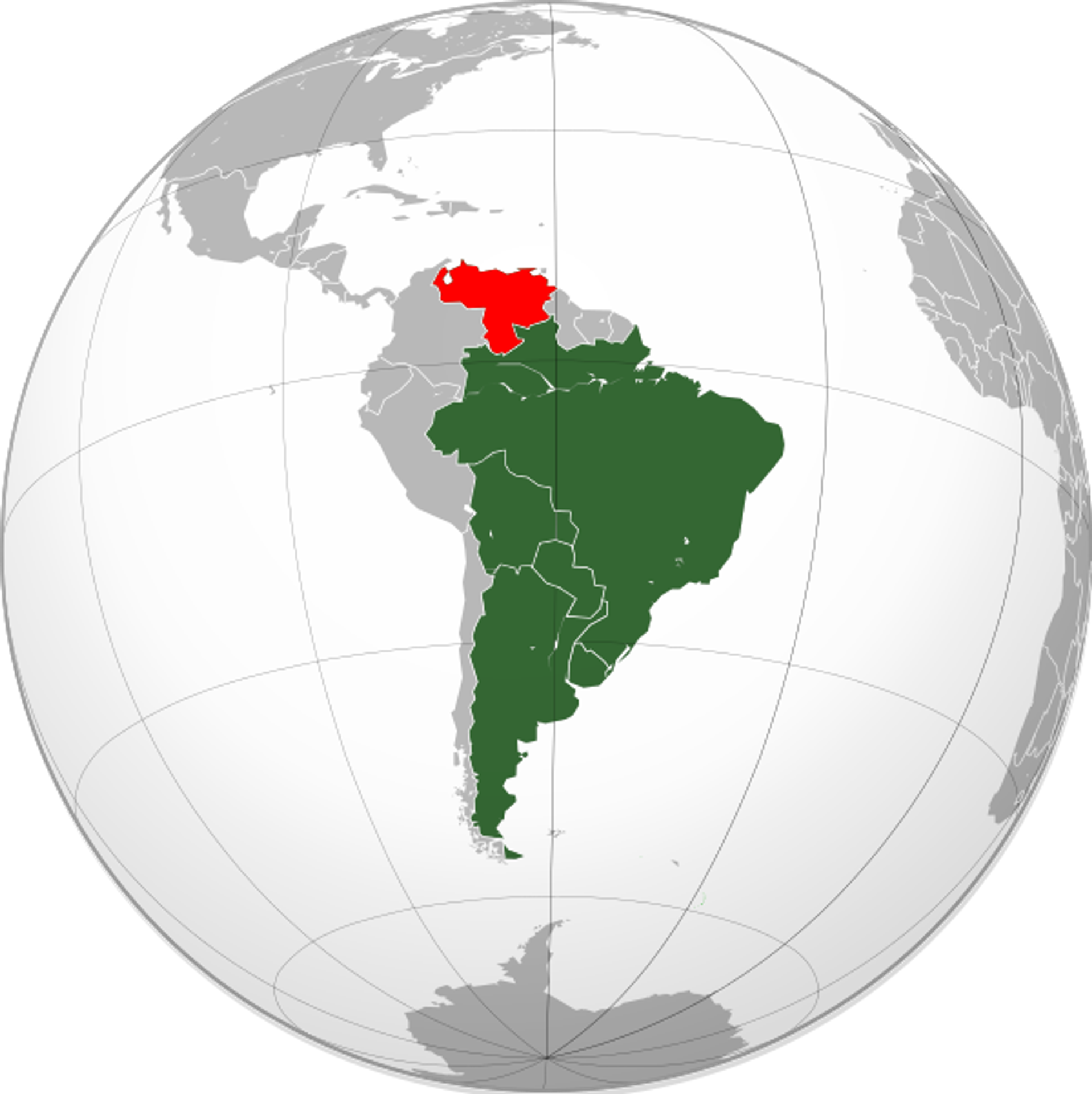
The perception of Mercosur, the South American trade bloc, is largely negative, especially when viewed from the lens of its effectiveness in fostering economic integration among member states. Critics highlight the bloc's internal divisions, poor governance, and inability to resolve trade disputes, which undermine its credibility. Moreover, the suspension of Venezuela since 2016 raises questions about the bloc's commitment to democratic principles. While there are some positive aspirations for regional cooperation, the prevailing sentiment reflects disappointment and skepticism about Mercosur's future viability and influence.
Where are the conversations happening?
Critical discussions about Mercosur's effectiveness and governance issues can be found in various media sources, including economic reports and political commentary. Channels focusing on South American politics often highlight the bloc's failures, while others may offer a more optimistic view on potential reforms. However, the consensus leans towards a negative perception, particularly in outlets that emphasize economic outcomes and regional stability.
What are the topics trending around Mercosur?
Discussions around regional trade agreements, economic crises affecting member states, and political instability in South America are emerging trends that could directly impact Mercosur's perceived effectiveness and relevance.
Why are these topics trending?
These trending topics reflect the broader geopolitical landscape in South America, where economic challenges and political shifts may influence the future of Mercosur and its ability to function as a cohesive trade bloc.
How is Mercosur being talked about?
Detailed breakdown of public sentiment and conversations about this entity.
Impact vs Sentiment
See how each entity's high impact percentage relates to their positive sentiment percentage from actual mentions.