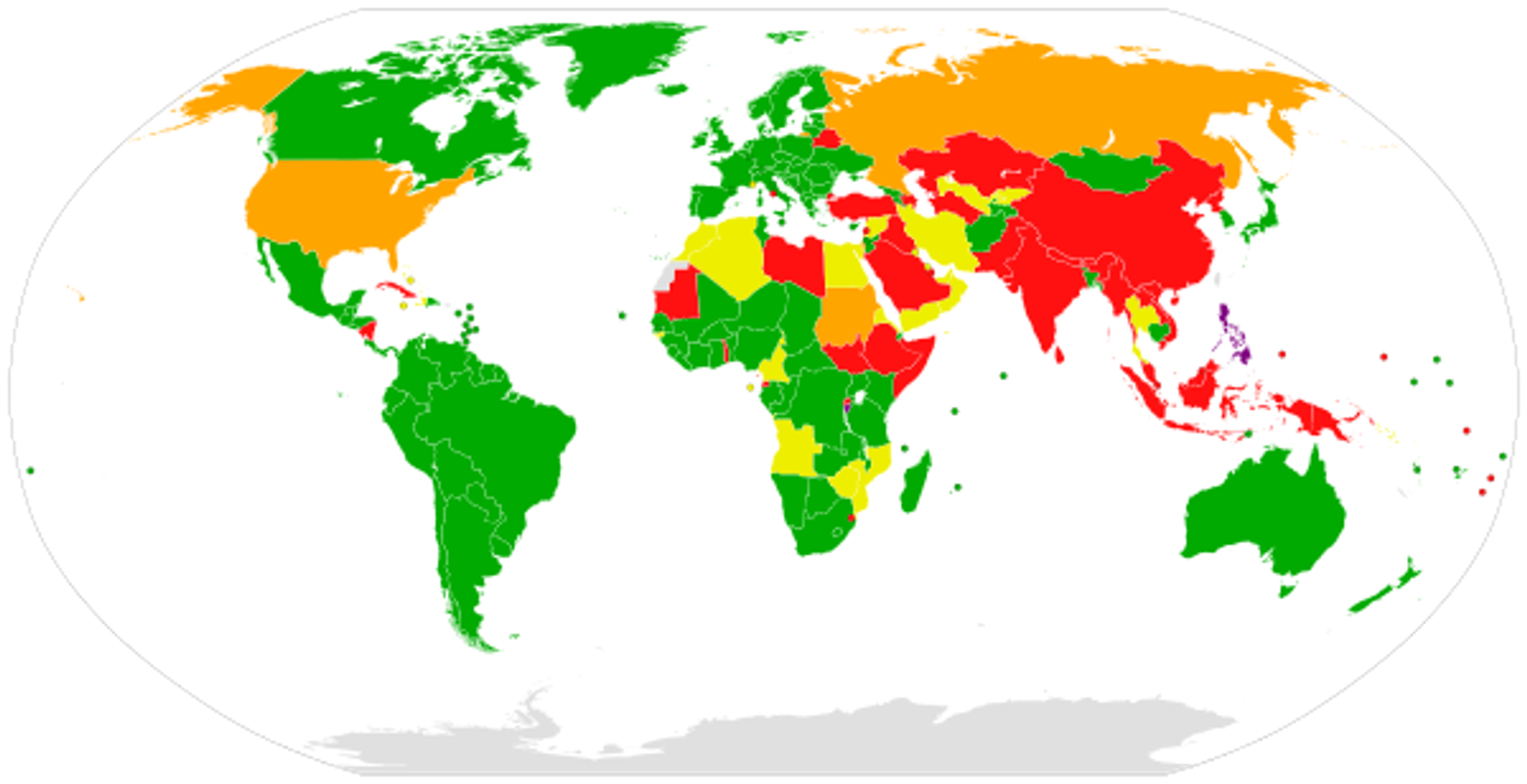
International Criminal Court
What do people say about International Criminal Court?
In the United Kingdom, the International Criminal Court is largely viewed with skepticism and mistrust. While it is recognized for its role in prosecuting serious international crimes, many perceive it as ineffective, slow, and politically biased. The ICC struggles with accusations of selective justice, often seen as disproportionately targeting certain regions or countries, which undermines its legitimacy in the eyes of UK audiences. This perception is compounded by concerns over its enforcement capabilities and political influence, leading to a general lack of confidence in its ability to deliver fair and timely justice.
Where are the conversations happening?
UK media outlets and political commentators are the primary sources shaping the perception of the ICC. Channels like the BBC and The Guardian tend to provide balanced but critical coverage, highlighting the Court's challenges in delivering justice efficiently and impartially. More conservative outlets may emphasize skepticism about the ICC's legitimacy and question its political motivations. The most critical discussions arise in opinion pieces and editorial analyses rather than straightforward news reporting, focusing on the Court's failures and controversies rather than successes.
What are the topics trending around International Criminal Court?
Emerging discussions around the ICC in the UK increasingly focus on its role in addressing current global conflicts, the challenges of enforcing rulings, and debates over its political impartiality and effectiveness in delivering justice.
Why are these topics trending?
These topics arise due to ongoing international crises where the ICC's involvement is scrutinized, the Court's limited enforcement mechanisms are questioned, and political narratives challenge its neutrality. UK media and political discourse reflect concerns about whether the ICC can adapt and maintain credibility in a complex geopolitical environment.
How is International Criminal Court being talked about?
Detailed breakdown of public sentiment and conversations about this entity.
Impact vs Sentiment
See how each entity's high impact percentage relates to their positive sentiment percentage from actual mentions.