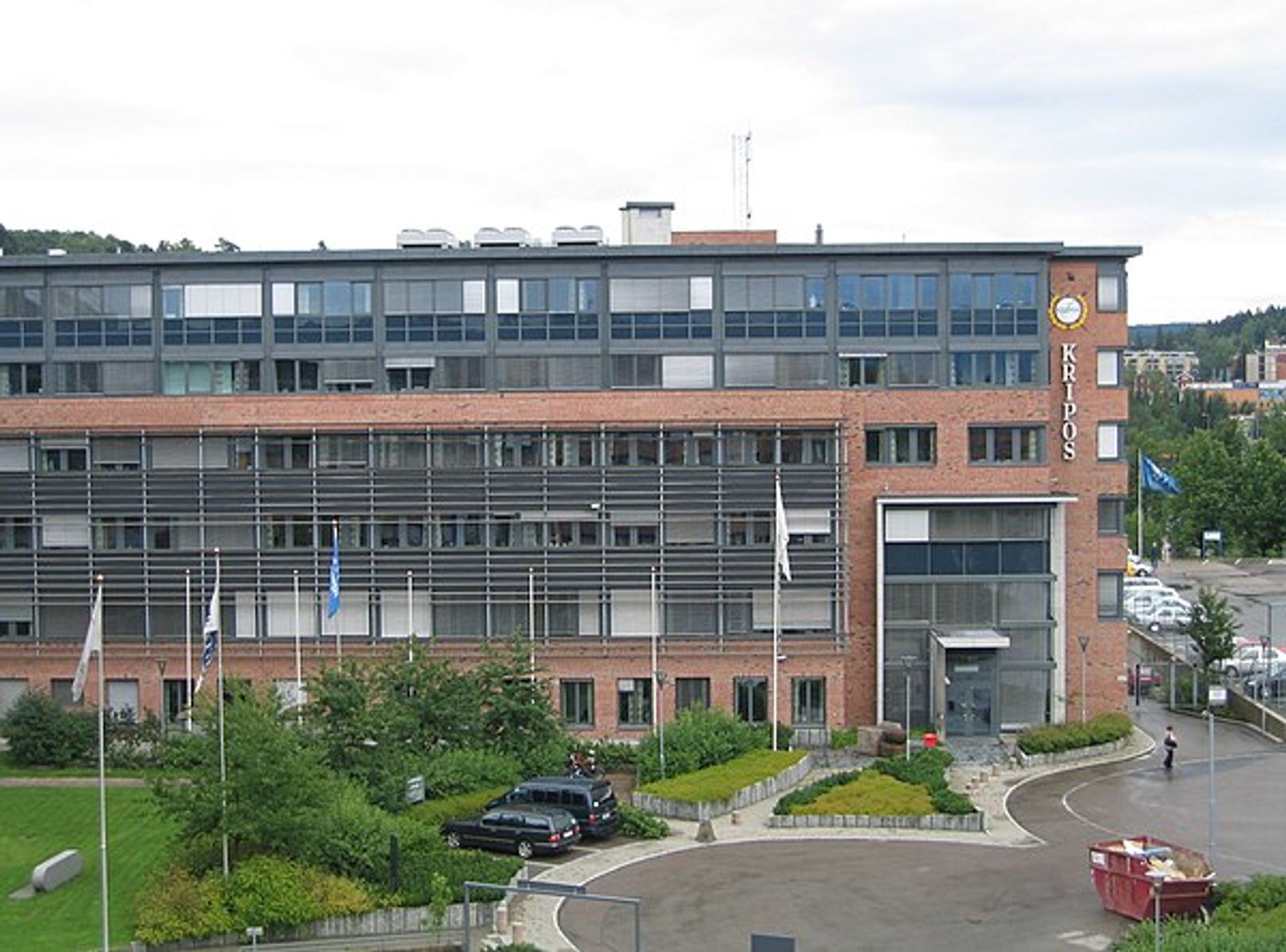
National Criminal Investigation Service
What do people say about National Criminal Investigation Service?
The perception of the National Criminal Investigation Service in these contexts is mixed and reveals substantial challenges. On one hand, Kripos is depicted as a specialized and authoritative body involved in serious criminal investigations, such as the Baneheia case and other complex murder investigations. However, there is clear criticism of their forensic and investigative work, particularly regarding the interpretation of DNA evidence and the adequacy of technical investigations. In the Baneheia case, Kripos's reliance on questionable evidence and testimonies led to contentious legal outcomes and public mistrust. Similarly, in the Heidi Flood case, the forensic ambiguities and difficulties in interpreting evidence reflect poorly on Kripos's effectiveness. These accounts suggest that while Kripos is indispensable in Norway's criminal justice system, it struggles with transparency, clarity, and conclusiveness in its investigations, leading to unresolved doubts and a perception of fallibility.
Where are the conversations happening?
The critical discussions about Kripos primarily appear in true crime and documentary-style podcasts such as 'ForsvinningsFredag Podkast' covering the Baneheia case and 'TA Dokumentar' discussing the Heidi Flood murder. These sources delve deeply into the technical and tactical aspects of the investigations, highlighting forensic ambiguities and judicial challenges. The scrutiny is particularly intense in 'TA Dokumentar' where DNA evidence and crime scene interpretation are questioned. More general or unrelated podcasts like 'Relasjonspodden' and 'Svarttrost' mention Kripos or former investigators in more peripheral or anecdotal contexts, offering less direct critique but still contributing to the overall narrative of investigative difficulties. Thus, the most critical and detailed discussions about Kripos are found in specialized true crime investigative podcast channels.
What are the topics trending around National Criminal Investigation Service?
Emerging discussions focus on the challenges of forensic evidence interpretation in high-profile murder cases, the reliability of DNA evidence, the pressures of public scrutiny on criminal investigations, and the role of private investigators formerly associated with Kripos. There is also discourse on the judicial implications of investigative shortcomings and the emotional impact of unresolved or contentious cases on victims' families and communities.
Why are these topics trending?
These trending topics arise directly from the complicated and often ambiguous evidence handling in cases like Baneheia and Heidi Flood, which have drawn extensive public attention and debate. The difficulty in conclusively proving guilt or innocence due to forensic limitations and conflicting testimonies has fueled discussions on investigative transparency and accuracy. Additionally, the involvement of former Kripos personnel as private investigators highlights ongoing efforts to clarify or challenge official investigations, reflecting a broader societal demand for accountability and justice in criminal cases.
How is National Criminal Investigation Service being talked about?
Detailed breakdown of public sentiment and conversations about this entity.
Impact vs Sentiment
See how each entity's high impact percentage relates to their positive sentiment percentage from actual mentions.