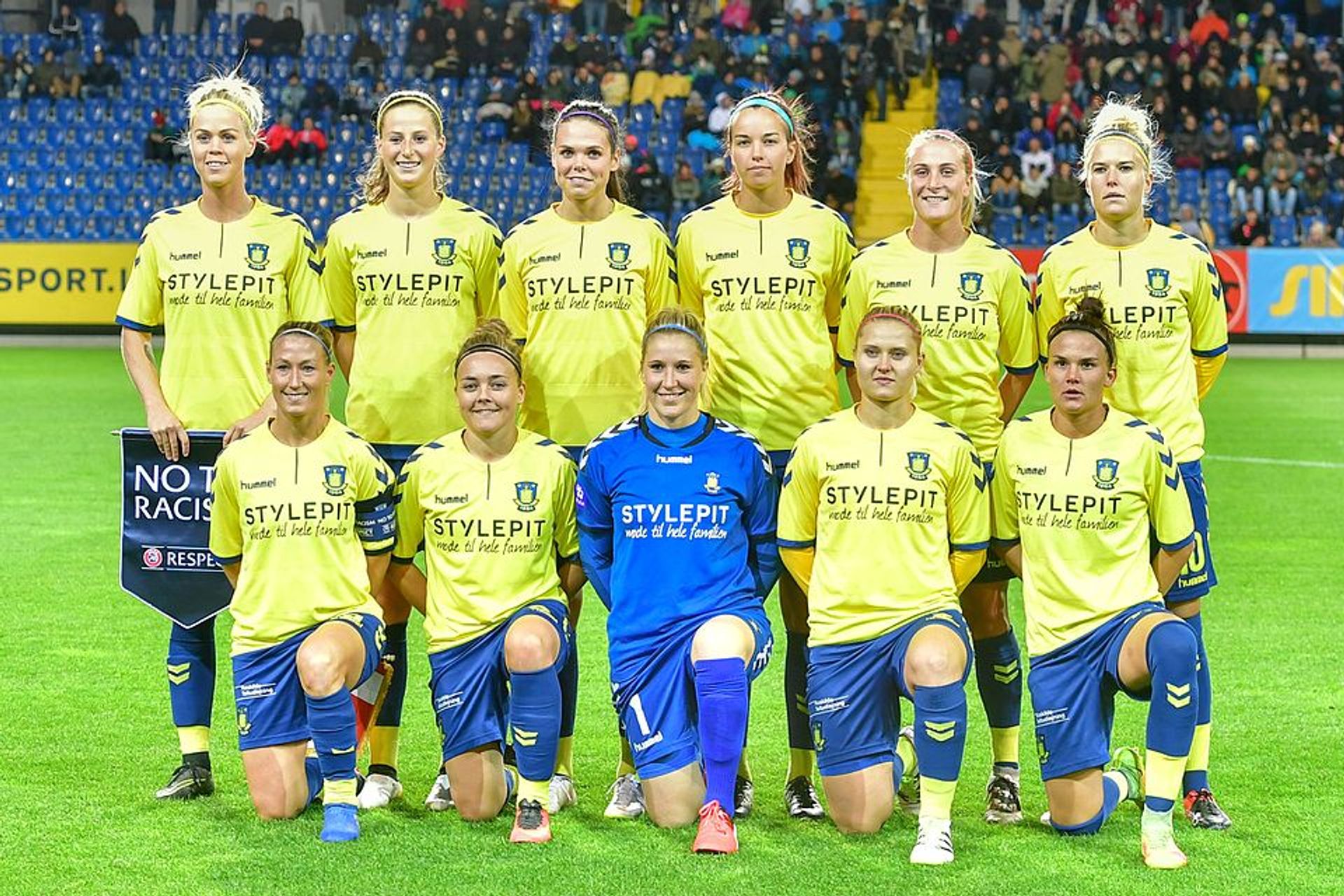
Brøndby IF
What do people say about Brøndby IF?
Brøndby IF's women's football team is portrayed as underappreciated and marginalized within their own club facilities, typically relegated to smaller pitches. The recent event where both men's and women's teams played against the same opponent, AGF, on the club's large stadium was historic but framed as an exception rather than the norm. Supporters and insiders express frustration that women’s matches are rarely allowed on the main stadium, and when they are, it is often a one-off or special occasion with free tickets, suggesting a patronizing approach rather than genuine support. While the women's team achieved an impressive 3-0 victory, overshadowing the men's 3-3 draw, this success does not translate into consistent respect or equal treatment. The perception is that despite growth in women's football and increased attention, Brøndby IF still treats its women’s team as a secondary priority, reflecting broader structural inequalities in Danish football.
Where are the conversations happening?
The main sources are Radioavisen podcast segments from ITUNES, which provide news updates with some editorial commentary. The critical discussions arise primarily in the segments featuring fan and director quotes, particularly from supporter Mikkel Weisse and club director Ole Palmå. These sources highlight the frustrations and shortcomings in treatment of the women's team, pointing to structural issues within the club rather than isolated incidents. The tone is largely critical of the limited opportunities and the tokenistic nature of allowing women to play on the large stadium only occasionally. The coverage does not include any defensive or positive rebuttals from the club, suggesting a one-sided but authentic critique from stakeholders close to the team.
What are the topics trending around Brøndby IF?
The emerging trend near Brøndby IF involves increasing calls for genuine equality in women's football, particularly regarding access to premier facilities like the club's large stadium. Discussions focus on breaking down traditional barriers that restrict women's teams to smaller, less prestigious venues and promoting the women's game as equally important to the men's. This is part of a broader movement recognizing the growth and rising popularity of women's football in Denmark, demanding better scheduling, marketing, and investment.
Why are these topics trending?
This trend arises from recent historic matches where both men's and women's teams share the same stage, which exposes existing inequalities and fuels debates about fair treatment. The public and club insiders express frustration over the rarity of such events and the token gestures like free tickets. As women's football gains momentum and more clubs enter the scene, stakeholders call for structural changes to support the sport's growth sustainably and equitably, making this a topical and urgent discussion in Danish football circles.
How is Brøndby IF being talked about?
Detailed breakdown of public sentiment and conversations about this entity.
Impact vs Sentiment
See how each entity's high impact percentage relates to their positive sentiment percentage from actual mentions.


