Big Ten Conference
What do people say about Big Ten Conference?
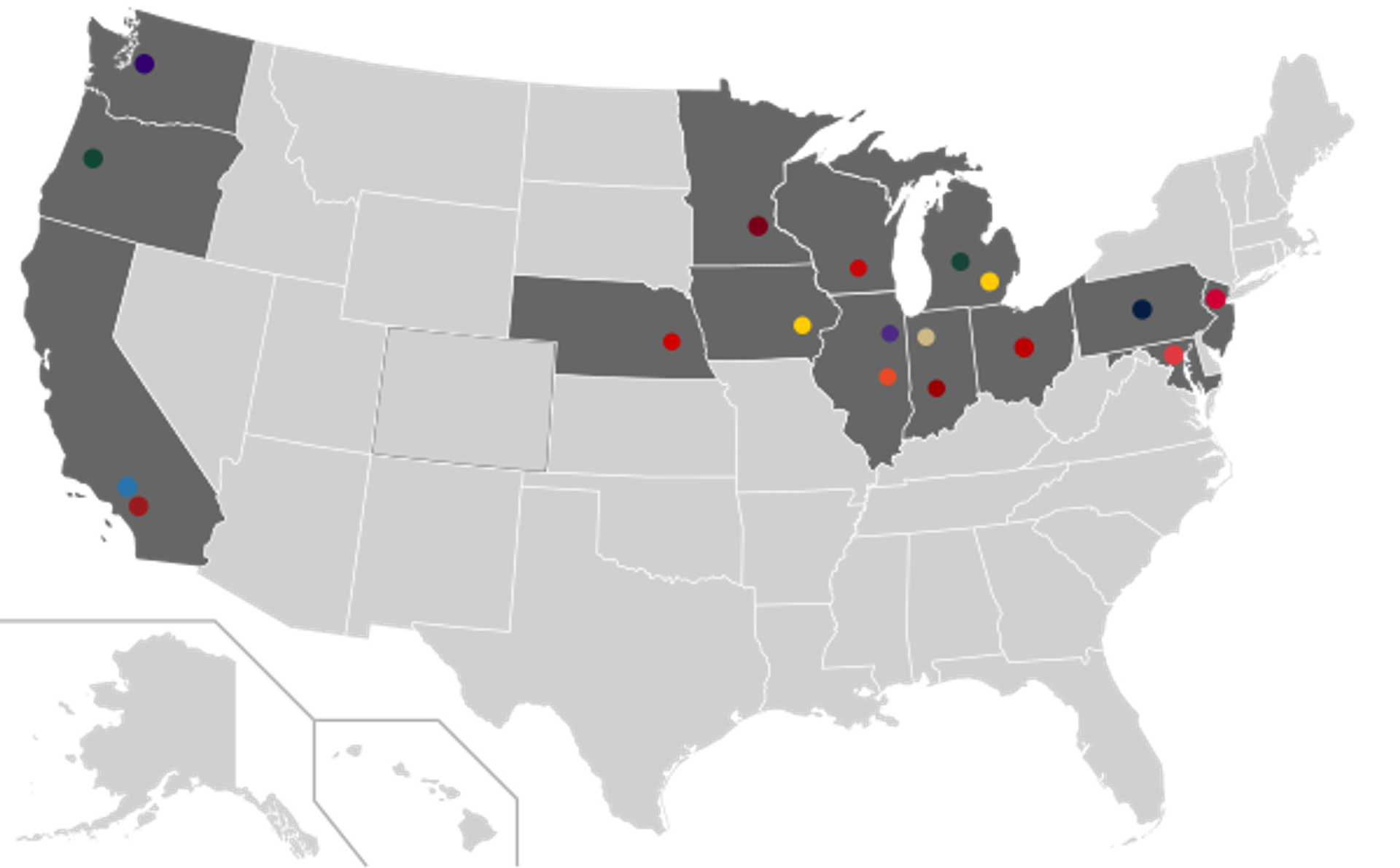
The Big Ten Conference is recognized as the oldest NCAA Division I conference with a long-standing reputation in collegiate athletics. However, its rapid expansion to 18 member institutions has led to criticism about overreach, diluted brand identity, and logistical challenges. The conference's attempts to maintain dominance in college sports are marred by concerns about prioritizing revenue and media deals over competitive balance and tradition. Despite its prestige, the Big Ten faces skepticism about its future cohesion and relevance amid growing competition and shifting college sports landscapes.
Where are the conversations happening?
Due to the absence of specific channel sources or media segments in the provided data, no direct source-based perception analysis can be done. Generally, critical discussions about the Big Ten often emerge from sports journalism outlets and fan forums that focus on conference realignment and media rights. Positive coverage tends to come from official NCAA and Big Ten communications emphasizing tradition and leadership. Without explicit source data, the analysis remains generalized.
What are the topics trending around Big Ten Conference?
Conference expansion, media rights deals, college sports realignment, student-athlete welfare, and competitive balance in NCAA Division I athletics.
Why are these topics trending?
These topics are trending because the Big Ten's growth to 18 members has sparked debates about the sustainability of large conferences, the impact on student-athletes with longer travel and schedules, the race for lucrative TV contracts, and the evolving landscape of college sports governance and competition.
How is Big Ten Conference being talked about?
Detailed breakdown of public sentiment and conversations about this entity.
Impact vs Sentiment
See how each entity's high impact percentage relates to their positive sentiment percentage from actual mentions.