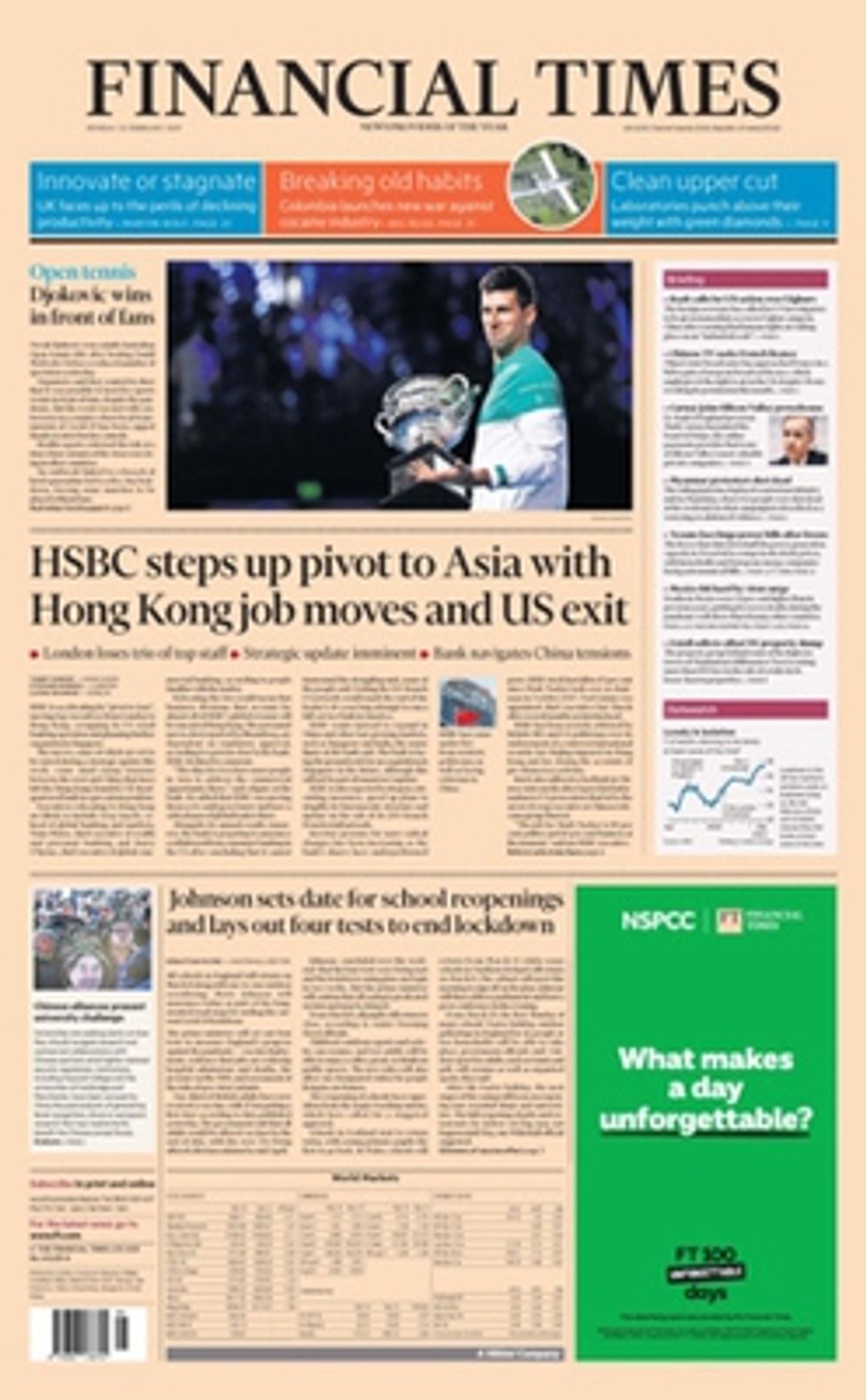
Financial Times
What do people say about Financial Times?
In Denmark, the Financial Times is perceived as a reputable source for in-depth financial and economic news, primarily appreciated among business professionals and academics. However, its reach is limited due to subscription costs and a focus on English-language content, which alienates broader Danish audiences. The newspaper’s tone is often seen as elitist and detached from the everyday economic realities faced by many Danes. Despite its strong analytical offerings, it is sometimes criticized for lacking local relevance and failing to engage with Danish-specific economic issues adequately. Overall, while respected for quality, it remains a niche publication rather than a mainstream news source in Denmark.
Where are the conversations happening?
The Financial Times is mainly discussed in business-focused media channels and academic circles in Denmark, where it is treated with respect for its analytical depth. However, Danish general news outlets and consumer forums are more critical, highlighting its cost and perceived elitism. Critical discussions are especially prevalent in Danish social media and forums where readers complain about accessibility and relevance. The most positive perspectives come from professional financial communities, while mainstream media and public discourse tend to be more skeptical or indifferent.
What are the topics trending around Financial Times?
Trends include increasing demand for localized financial news in Denmark, debates on the role of English-language media in Danish society, and the impact of subscription costs on media accessibility.
Why are these topics trending?
These trends emerge because Danish readers seek more relevant local economic reporting that the Financial Times currently underdelivers. The dominance of English creates barriers in a country valuing its own language, and high subscription fees make the FT less accessible compared to free or cheaper Danish media options. These factors combine to challenge the FT’s market position in Denmark.
How is Financial Times being talked about?
Detailed breakdown of public sentiment and conversations about this entity.
Impact vs Sentiment
See how each entity's high impact percentage relates to their positive sentiment percentage from actual mentions.