Wikipedia
What do people say about Wikipedia?
In the UK, Wikipedia's reputation is under scrutiny as concerns about the reliability of its information grow. Critics argue that the open-editing model leads to inaccuracies, particularly in controversial topics, undermining its credibility as a source of knowledge. Additionally, the perception that Wikipedia is not a definitive source has been reinforced by academic institutions and professionals who recommend verified sources instead. Despite its vast repository of information and the dedication of its volunteer community, the platform is often viewed with suspicion, especially when users are aware of the potential for bias and misinformation.
Where are the conversations happening?
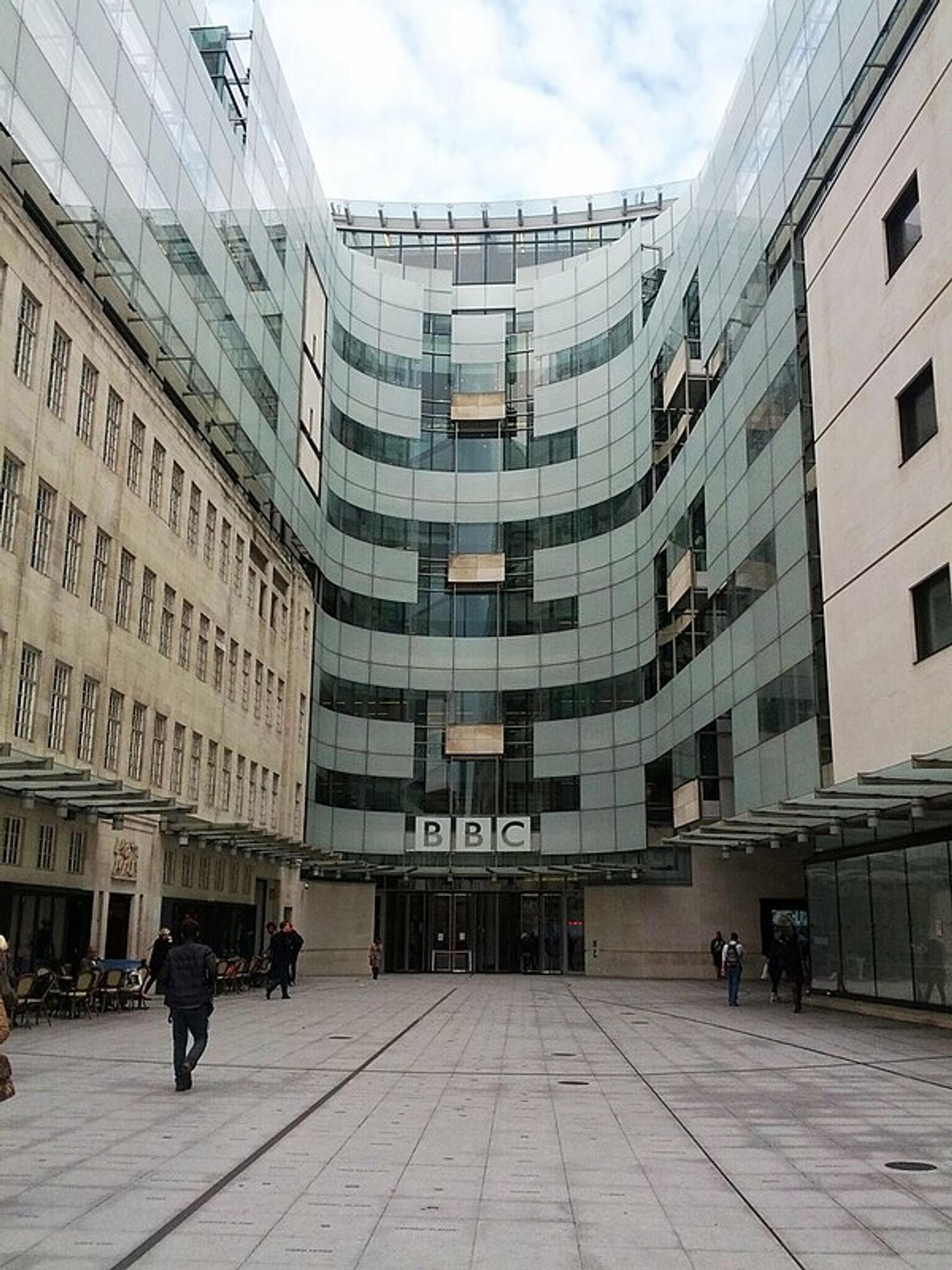
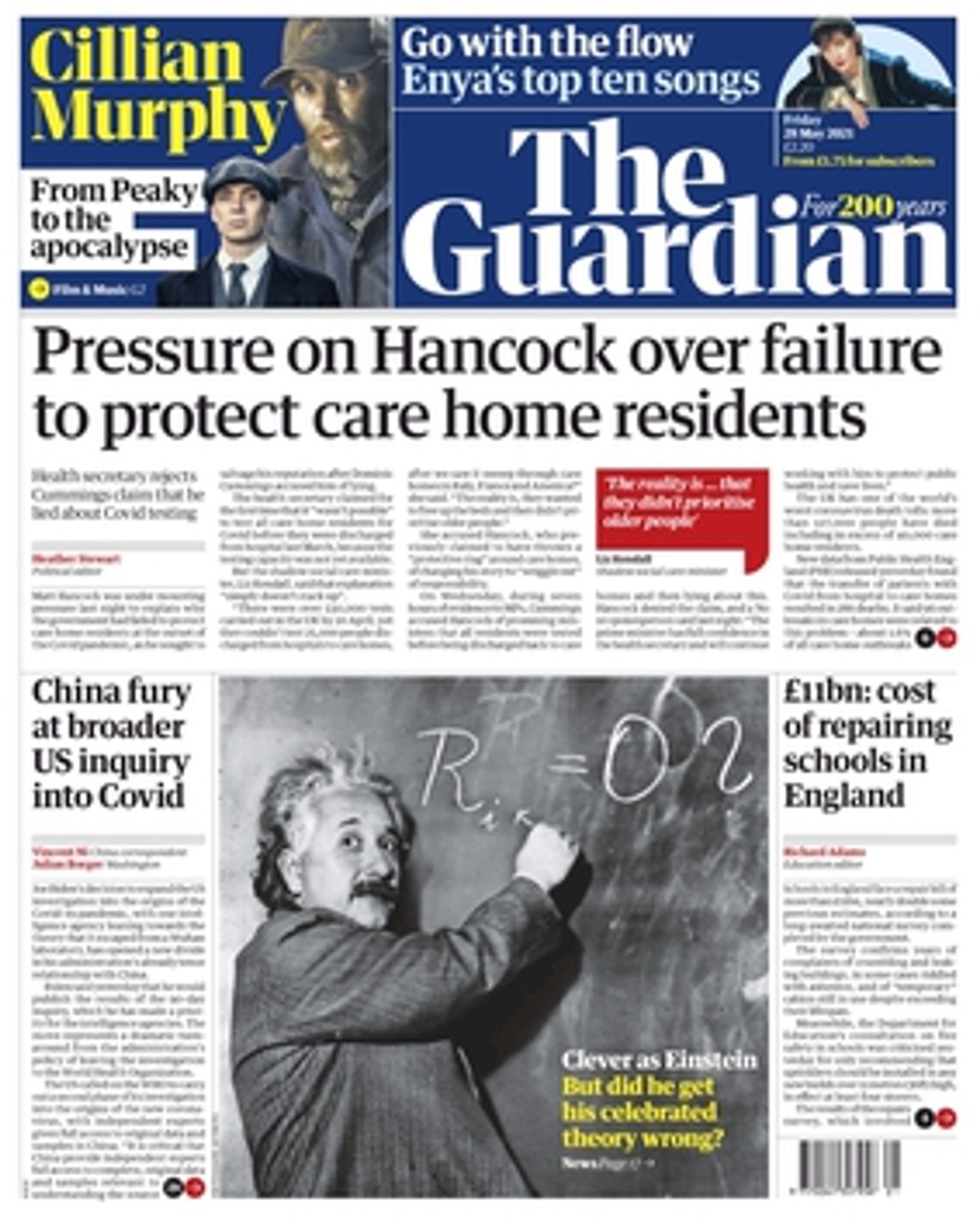
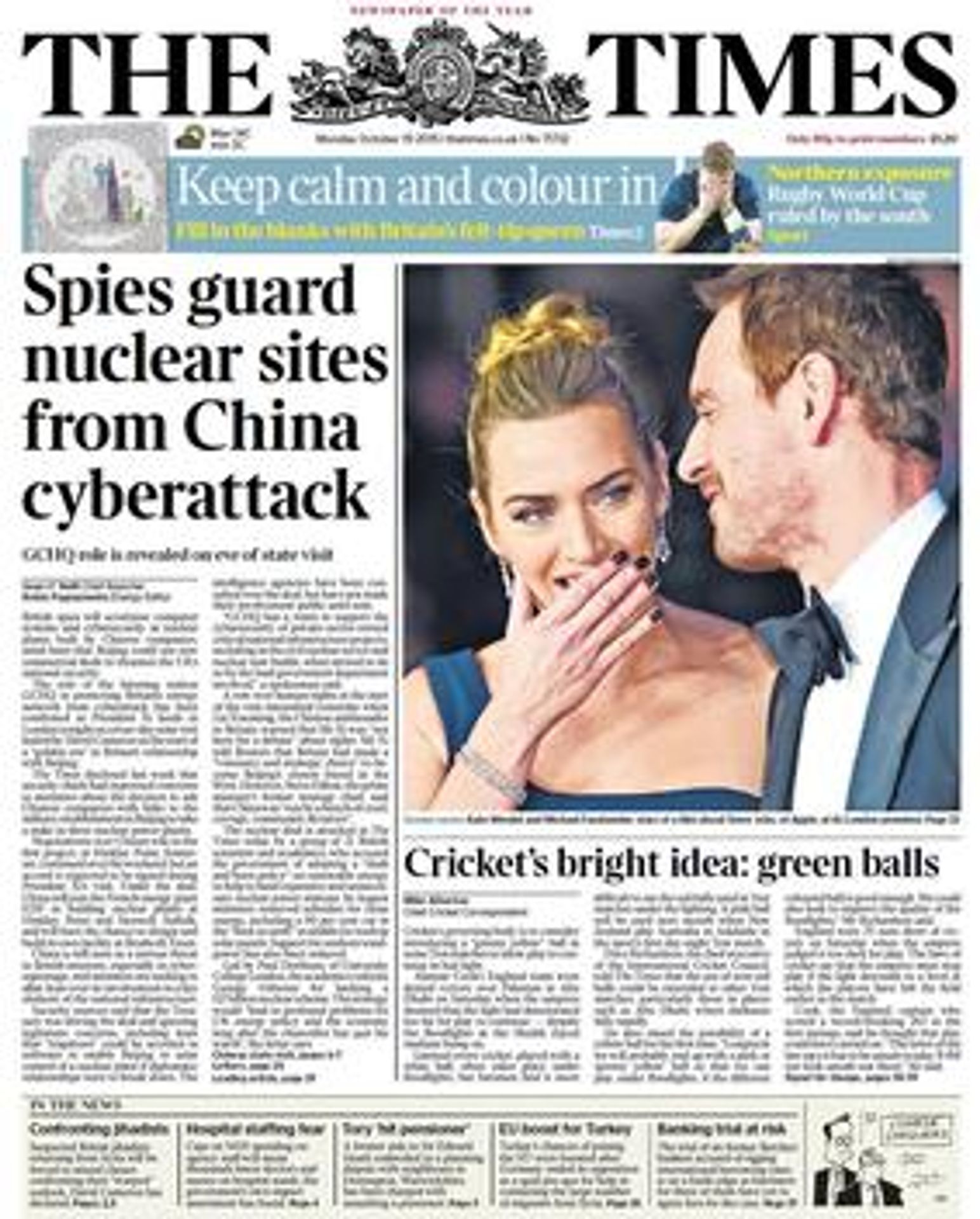
Channel sources such as The Guardian and BBC News often highlight the skepticism surrounding Wikipedia's reliability, especially in academic contexts. In contrast, some tech-focused platforms may emphasize its accessibility and the value of community-driven information. However, the prevailing narrative in mainstream UK media tends to focus on the risks associated with using Wikipedia as a primary source, particularly in light of its open-editing model. Critical discussions frequently arise in articles that examine the implications of misinformation and the need for better verification processes in digital information.
What are the topics trending around Wikipedia?
Discussions around misinformation and the credibility of online sources are increasingly relevant, particularly in educational settings and in the context of digital literacy.
Why are these topics trending?
The rise of misinformation during events such as the COVID-19 pandemic has heightened awareness of the need for credible information sources, leading to discussions about Wikipedia's role and reliability in this landscape.
How is Wikipedia being talked about?
Detailed breakdown of public sentiment and conversations about this entity.
Impact vs Sentiment
See how each entity's high impact percentage relates to their positive sentiment percentage from actual mentions.