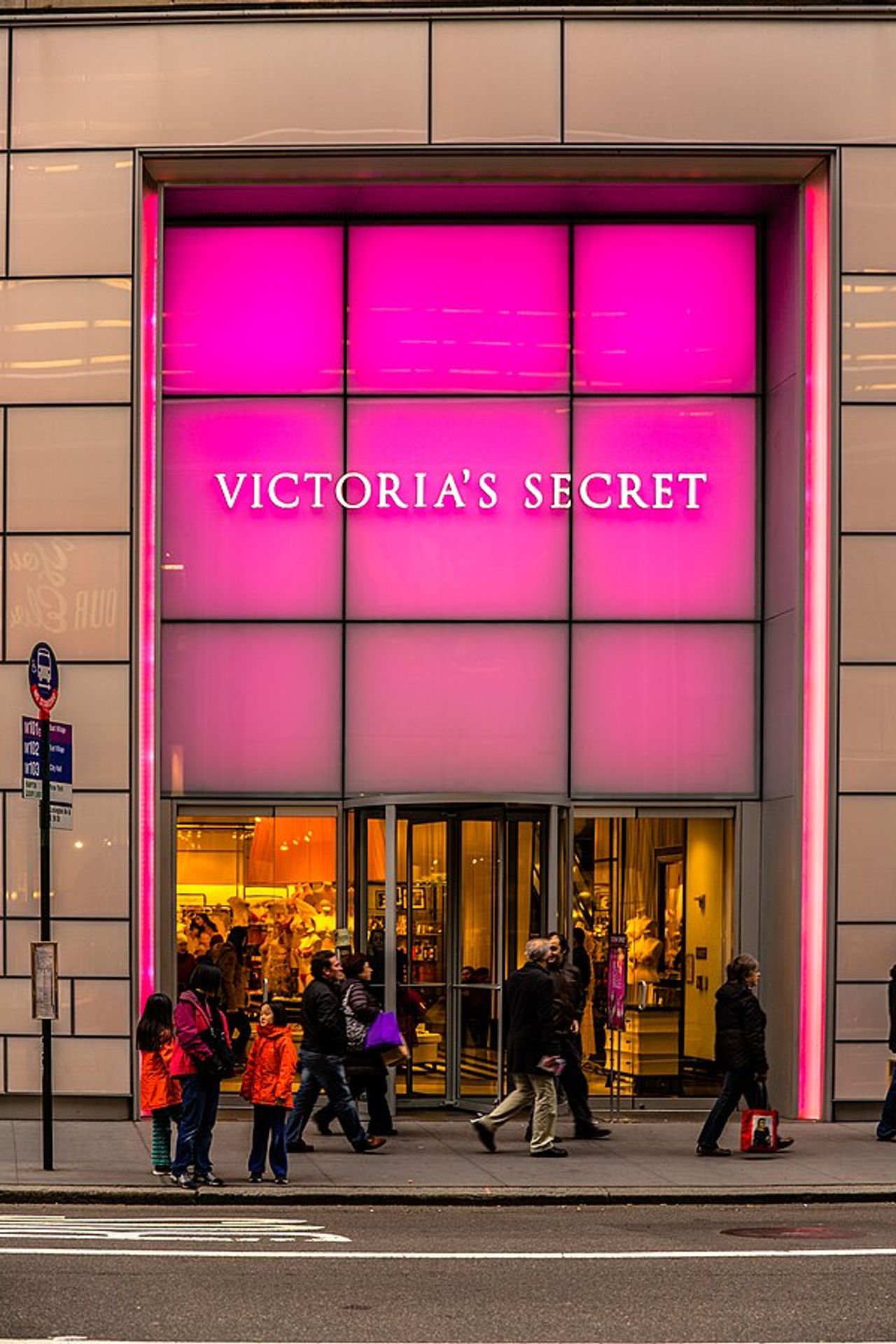
Victoria's Secret
What do people say about Victoria's Secret?
Victoria's Secret, once a dominant force in lingerie retail, is perceived negatively in Sweden due to its association with unrealistic body ideals and lack of inclusivity. The brand is often viewed as out of touch with evolving societal norms that prioritize diversity and empowerment over objectification. Its historical legacy does not shield it from criticism about perpetuating narrow standards of beauty and failing to adapt to contemporary feminist and cultural expectations. Consequently, Victoria's Secret is seen as a relic of a bygone era rather than a progressive brand, limiting its appeal in the Swedish context.
Where are the conversations happening?
There are no specific channel sources provided in the segments to analyze. However, it can be inferred that critical discussions about Victoria's Secret likely occur in Swedish mainstream media and social discourse, focusing on feminism, body positivity, and consumer activism. International fashion critique channels and feminist commentary platforms are also probable sources of criticism. The lack of any positive or neutral mentions suggests a consensus of skepticism or disapproval across available channels.
What are the topics trending around Victoria's Secret?
Discussions around inclusivity, body positivity, feminist critique of fashion marketing, and the shifting consumer preferences toward ethical and diverse brands are trending near Victoria's Secret. There is also increased scrutiny of legacy retail brands adapting to modern social values.
Why are these topics trending?
These trends arise because consumers and media increasingly demand representation and ethical responsibility from fashion brands. Victoria's Secret's historic image conflicts with these emerging values, prompting debates on whether it can successfully reform or will continue to lose relevance.
How is Victoria's Secret being talked about?
Detailed breakdown of public sentiment and conversations about this entity.
Impact vs Sentiment
See how each entity's high impact percentage relates to their positive sentiment percentage from actual mentions.


