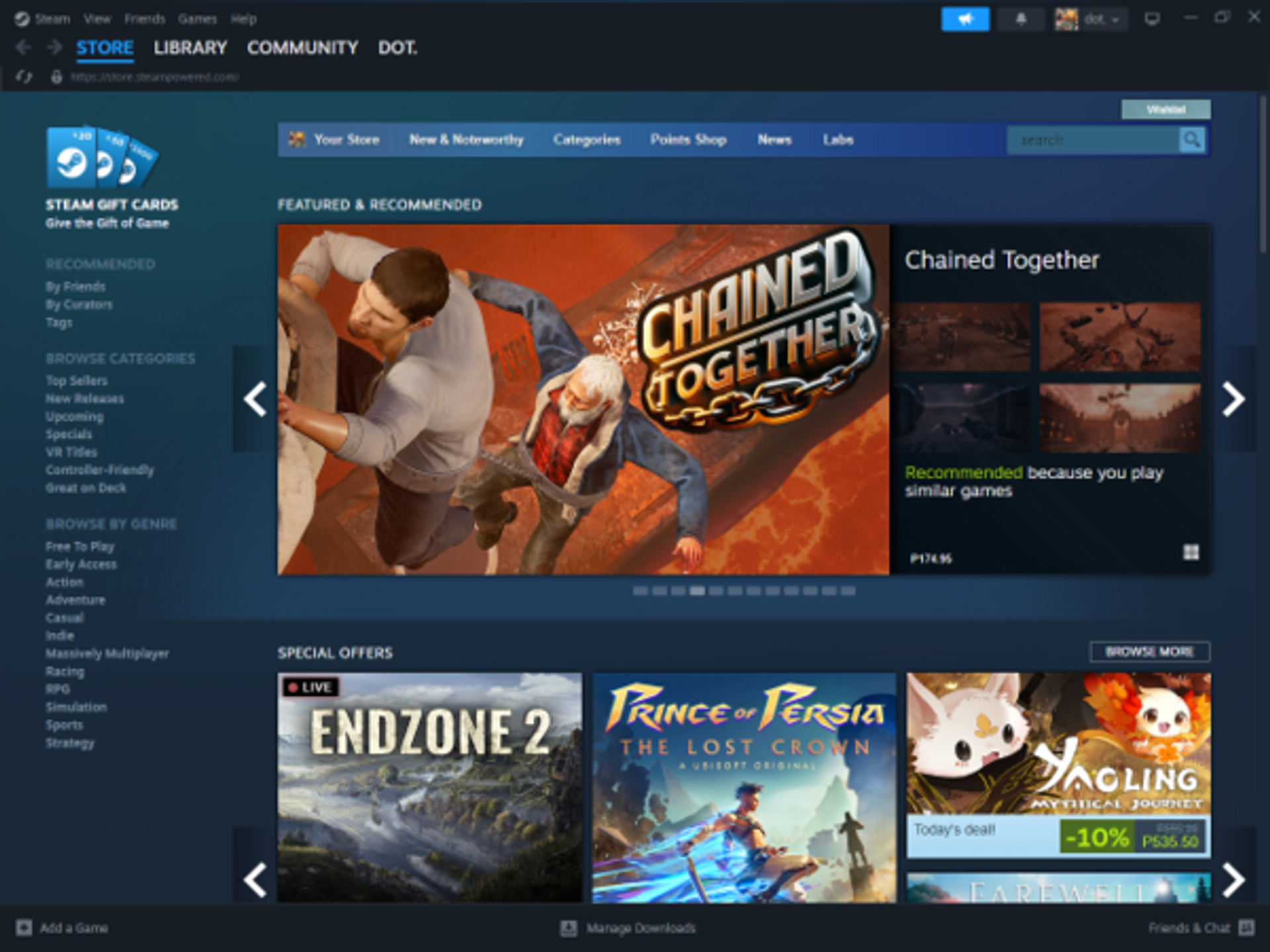
Steam
What do people say about Steam?
Steam is widely recognized as a leading digital distribution platform for video games in the United States, praised for its comprehensive features such as updates, matchmaking, and a vast marketplace. However, the platform is also subject to significant criticism regarding its customer service, the monopolistic nature of its marketplace, and occasional neglect of consumer rights. Users often express frustration over pricing policies, refund limitations, and the overwhelming volume of low-quality content. Despite its dominance, Steam's reputation is marred by these persistent issues, leading to growing calls for alternative platforms or regulatory oversight. Overall, Steam is seen as essential yet flawed, with its strengths often overshadowed by mounting negative perceptions.
Where are the conversations happening?
Though no specific channel sources were provided in the input, critical discussions about Steam typically emerge from gaming forums, social media platforms, and tech review sites where users voice frustrations about Steam's policies and marketplace practices. Positive mentions often come from official announcements and mainstream gaming news outlets highlighting updates and expansions. The most critical feedback tends to cluster in user-driven communities such as Reddit gaming threads and YouTube comment sections, where complaints about customer service and content quality are most vocal.
What are the topics trending around Steam?
Emerging trends include concerns over Steam's marketplace dominance, the rise of competing platforms challenging its monopoly, increased scrutiny over digital content curation and quality control, and debates about consumer rights in digital purchases and refunds.
Why are these topics trending?
These topics arise as gamers and regulators become more aware of the impact of monopolistic practices and the growing need for fair consumer protections. Additionally, as alternative platforms gain traction, discussions about Steam's future relevance and potential reforms intensify, making these trends highly relevant to the platform's ongoing perception.
How is Steam being talked about?
Detailed breakdown of public sentiment and conversations about this entity.
Impact vs Sentiment
See how each entity's high impact percentage relates to their positive sentiment percentage from actual mentions.


